Beneath boats’ bottoms are chains. They chatter the bodies with heads,
feet touching. Bathroom is where their bed is. Robes of my African
ancestors are not regal, but they smell, smack faces, taste them, their blood.
Their stories are being stolen, shipwrecked, due to the shackles the past put
on them, jewelry they would wear, a selfish trade. Polluted minds piss on
boardwalks. To them, it appears beneficial to keep people bound. America
has history, snake hisses from humans, a darker hue, heavier shade. Shine
the light on what is being hidden. Share the shameful to shape my country
out of corruption into showmanship. Freedom befriends the bells. Ring in
the sound. Take off the charade. Fatalities are the fan having folks to start
speaking. Slavery is a wall the world needs to climb, to strengthen the
nation’s core values. Color is a collection, not a complication. Hatred is a
demon against the destitute. Remember the dead bronze, the beacons
in the batches, at the bottom of boats. Remember their rights, their liberties,
their sacrifices. Never forget resilience. The past prepares people for the present.
I know a man who is a Mr. Fix-It, wanting to fix
folks’ stains, but I call him Daddy.
He is from Wilmington, Delaware. Comes down
to South Carolina. Teaches Social Studies at
LR, shorter name for Lower Richland, the
name we, us, Hopkins people say. Daddy does
all he can for me in my former childhood
home. Covers the scratches, the scraps,
the scars from my inner injuries, the same
as his students. Covers us with his duck
tape. Sticks close to be the father figure
the adolescent females and males need.
Holds them all together by his heart. His
love stays tighter on my soul, a thicker
layer to lay on, latch onto. Daddy teaches
at LR for over 40 years. He lets his duck
tape tailor holes in hurting teenagers. Fills
up their emptiness. He understands he may
not always receive a thank you. Daddy
just knows he has a duty. The tape he
carries is durable.
I know a man who is a Mr. Fix-It, wanting to fix
folks’ stains, but I call him Daddy.
In my car, my eyes seem to lay upon the litter,
living on the ground, fresh or dead products
for the birds to try to digest, then know this
is garbage, a waste. This is exactly the way
some people treat their lives. They fill their
bodies with junk, with things to thicken up the
hurt, the emotions inside, wait to find a proper
place to put them. The ground bears the
grudges, the items that irritate, not having
to look at them, their presence. They are
thrown away. Trash is tossed in the air. When
we no longer have to eat what we cannot
stomach or a piece, pieces of material are
useless to productivity, we see a need to
discard it. Through the process where I have
to remove the litter in my life, I am learning
what it means to wait. It is best to gather
the waste little by little, wait for the right
timing to disperse, to disperse these objects.
It may appear to be an inconvenience to
go to the dumpster, lift the garbage, release
it from the hands into the bin, but it is better
not to become one. There is poison, toxic
chemicals spreading in society, and human
beings have themselves to blame. What
we display, what we present to others can
be trash or a treasure. I choose the one
most valuable to nature, the one solid tree.
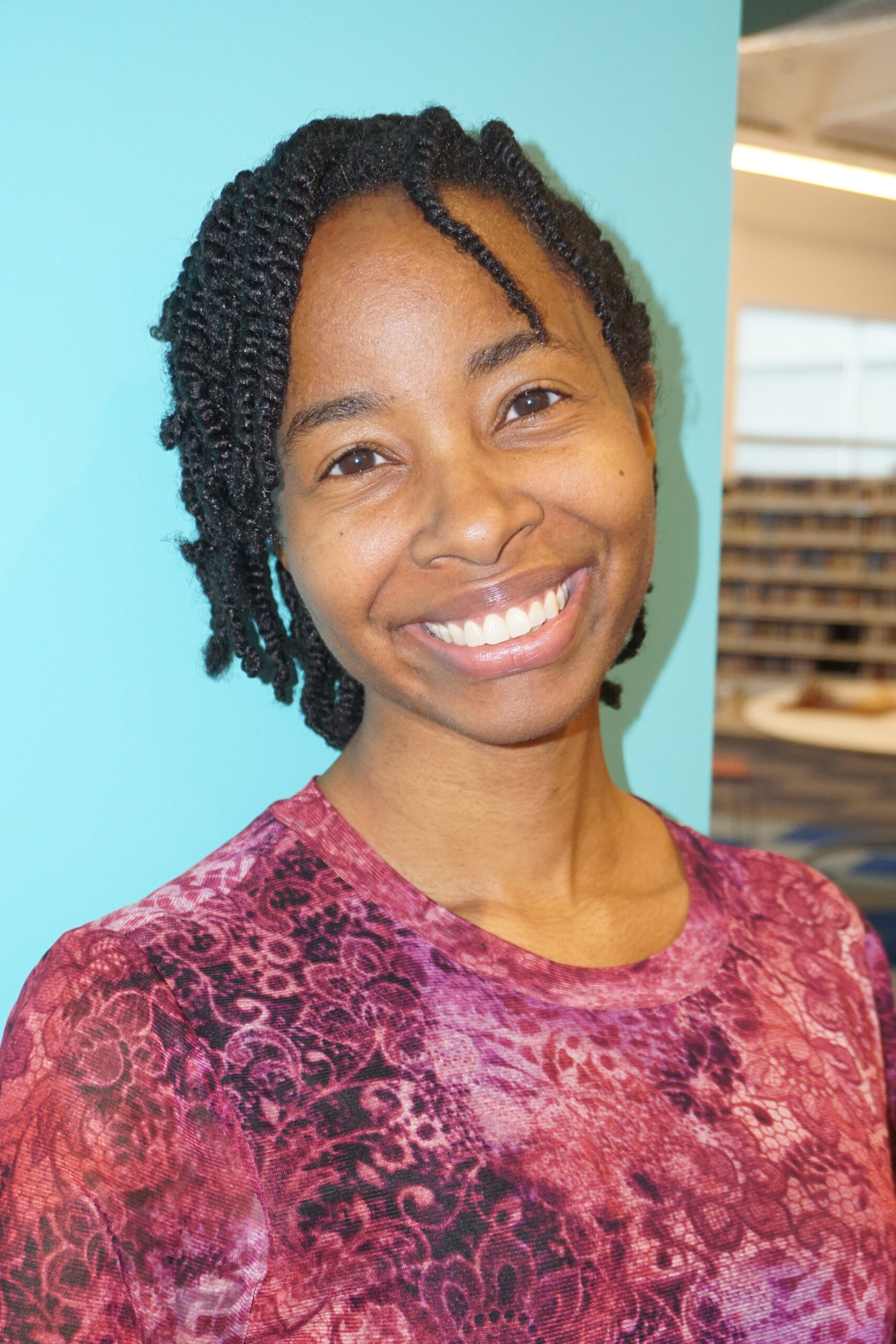
Traci Neal is a neurodivergent poet residing in South Carolina, the United States. In 2025, she had over 50 poems published in 40 different publications. On March 11, 2026, an excerpt of Neal’s poem, along with writers A Memi Sei and Brittany J. Green, was part of the Letters to America project to highlight America 250 from the black woman’s perspective. The words were composed into a song sung by Soprano Karen Slack at Carnegie Hall.